Last updated 2026-08-18
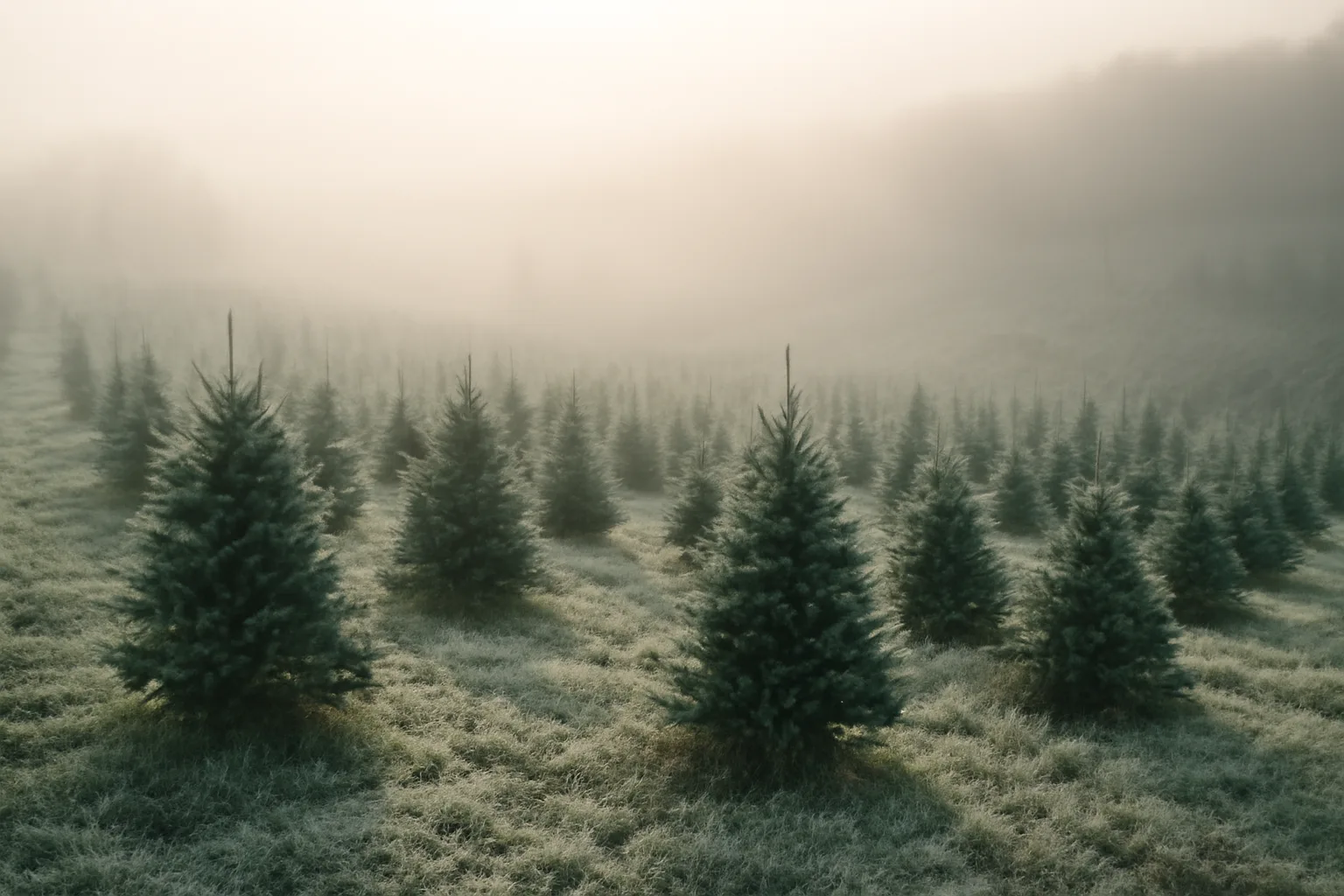
TL;DR
Connecticut makes you get a nursery certificate from the Agricultural Experiment Station before you sell a single tree. There is no separate Christmas tree license. Budget $3,000 to $5,000 per acre to establish the crop, and plan on 7 to 10 years to first sale. Run a soil test, file with CAES before selling, and guard the renewal date.
Do you need a license for a Christmas tree farm in Connecticut?
Yes. Connecticut law says no one can sell or distribute nursery stock without a license from the state commissioner. [1] Christmas trees count as nursery stock. The Connecticut Agricultural Experiment Station, CAES, runs that certificate program. [2] So there's no separate Christmas tree license, but you need the nursery paperwork before you sell one cut tree or let a family tag one.
The exact wording matters, because growers call this thing five different names. Connecticut General Statutes, Chapter 438, puts it plainly: "No person shall engage in the business of selling, offering for sale, or distributing nursery stock, as defined in section 22-87, without first having obtained a license from the commissioner." [1] Seedlings and cut trees both sit under that nursery stock umbrella here. The practical move for a new farm is short: file the nursery certificate application with CAES, list your acres and species, and do not sell until the certificate is in your hand.
There is no standalone Connecticut Christmas tree farm board. The Alabama board structure is a useful contrast if you're comparing state rules. Connecticut's version is lower drama, one certificate, but it's still the gate you have to walk through.
What Connecticut agency handles Christmas tree farm licensing?
The Connecticut Agricultural Experiment Station issues and enforces nursery certificates, and that includes Christmas tree fields. [2] Many new growers call the Department of Agriculture first and get sent to CAES. That's normal. CAES runs the plant inspection side, and the statute gives the commissioner the authority behind the license. [1]
Here's what CAES wants before it certifies you: property location, acreage, species planted, evidence of pest monitoring, and a field it can walk. The application is annual. Fees exist, but the schedule changes, so don't copy a number off a farm blog from 2019. Call CAES Plant Health or use the state eLicense directory and confirm the current nursery certificate fee. That's your board-confirmable fact, not a guess.
Bought bare land and still two or three years from selling? You don't need the license yet. You need it when you go to market. Call CAES early anyway. An inspection backlog can wreck your first weekend if you file late.
How much does a Christmas tree farm cost in Connecticut?
Plan on $3,000 to $5,000 per acre in direct establishment costs across the first three to five years, before you harvest anything. [3] That's seedlings, soil prep, planting, and weed control. Connecticut land values push your real total well past any spreadsheet that only tracks per-acre crop costs.
| Cost item | Typical range per acre | Notes |
|---|---|---|
| Seedlings, 1,200 to 1,500 trees | $600 to $1,200 | Species and grade drive this |
| Site prep and planting | $400 to $700 | Drainage and pH fixes cost extra |
| Weed control, years 1 to 5 | $1,000 to $2,000 | Mowing plus herbicides or mulch |
| Deer protection | $500 to $1,200 | Fencing or tubes; deer are hard in CT |
| Direct establishment total | $3,000 to $5,000 | Before land, taxes, and labor |
Penn State Extension's Christmas Tree Production page walks through these buckets at a level that survives a bank conversation. [3] The hidden cost in Connecticut isn't the seedling. It's the second through fourth year of weed control, especially on an old hayfield full of established grass. Fight that ground by hand and the labor is brutal. Buy a good backpack sprayer or hire contractor mowing.
The Alabama cost guide shows a lower land cost floor, but the crop math is the same. If you're buying Connecticut agricultural land, land is a separate line that usually dwarfs the per-acre crop budget. USDA Farm Service Agency beginning farmer loans can finance establishment, but that's separate from the state certificate. [10]
How long does a Christmas tree farm take in Connecticut?
Eight years is the honest planning number from planting to first real sales. A seedling reaches a 6 or 7 foot tree in 7 to 10 years depending on species, site, and weather. [4] Some white pine on a good site hits sellable size in 6 years. Fraser fir on a poor site can run 9 or 10.
The National Christmas Tree Association states the national window plainly: "It takes 7-10 years for a Christmas tree to reach its typical height of 6 to 7 feet." [4] New England sites are not faster than that. Cold springs and winter injury in Connecticut can add a year. The species chart below shows why year one matters less than year seven.
That timeline is exactly why the license question doesn't bite early. You sell nothing until year 6 at the soonest. But if you wait until year 5 to even look up the CAES application, you're behind. File early, know the renewal date, keep the certificate current. The Alabama startup guide shows the same long game in a warmer climate.
What paperwork do you file before planting in Connecticut?
Before planting, you don't file with CAES unless you want to. You file with your own notebook. Get a UConn soil test first, register a trade name if you plan to sell under a farm name, then handle local zoning. [6][7] The soil test is your most important early document, because it tells you whether to fix drainage and pH before you order 1,200 seedlings.
| Early paperwork | Who sees it | When |
|---|---|---|
| Soil test | UConn Soil Nutrient Analysis Lab | Before planting |
| Business or trade name registration | Connecticut Secretary of State | Before first sale, optional |
| Nursery certificate application | CAES | Before first sale |
| Pesticide certification | CT DEEP | If you use restricted-use products |
The Connecticut Secretary of State's business portal lets you register a name and check for conflicts. [7] You don't need an LLC to grow trees. You may want one before opening to the public. That's a separate decision from the state nursery certificate. The Alabama license article shows one way growers structure the sale side.
Do local zoning and Connecticut property tax rules change the plan?
Yes. Zoning is local, and choose-and-cut is agritourism in most towns. A field that's been farmed for 50 years can still start a town conversation about parking, portable toilets, and traffic. Don't buy before you ask the zoning enforcement officer one flat question: can I sell retail from this parcel.
Connecticut's farm and forest tax classification can lower your property tax bill in some towns. It's not automatic, and the rules on Christmas tree acreage shift with the assessor's read. Ask your town assessor whether your tree field qualifies before you count on the reduction. This is a paper path, but it's local paper.
Smaller parcels and new plantings get the hardest look. Show a real farm plan, not a chunk of land with 200 seedlings dropped in it.
Which tree species actually work in Connecticut?
Start with Canaan fir, balsam fir, Fraser fir, concolor fir, white spruce, Norway spruce, and white pine. [5] The wrong choice isn't a species from another state. The wrong choice is picking only one. A Connecticut field should carry at least two, because a wet spring hits white pine differently than Fraser fir, and a warm December sells Fraser faster than anything.
| Species | Years to 6-7 ft | Notes for Connecticut |
|---|---|---|
| White pine | 6 to 8 | Fast but softer needles, lower price ceiling |
| Balsam fir | 7 to 9 | Easier start, strong scent, deer browse risk |
| Canaan fir | 7 to 9 | Better on wetter or variable New England sites |
| Fraser fir | 7 to 10 | Retail favorite, needs drainage and air flow |
| Colorado blue spruce | 7 to 10 | Retail but slow on poor sites |
| Norway spruce | 8 to 11 | Strong grower, less retail demand |
The UConn soil lab runs pH and drainage numbers before you pick a species. [6] Firs like pH near 5.5 to 6.5. Spruce tolerates wider swings. If the pH reads 6.8 and the soil is heavy, don't plant Fraser fir and pray. For a colder climate contrast, the Alaska startup guide shows species risk from a different angle.
What does a first-year operating plan look like?
Year one is soil test, mow, spray or till the strips, plant, and water if it's dry. You are not opening. You're building rows. The first week matters less than the first June. If grass overtakes the seedlings, you lose more trees to smothering than to anything else in Connecticut.
The $149 one-time Shear-Year + Choose-and-Cut Kit from ChooseAndCutPath helps here, because it puts the annual shear, weed, pesticide, and CAES renewal calendar in one binder. Not required. But a clean first-year plan with dated rows saves you money when the inspector asks what you planted and where.
Order seedlings 12 to 18 months ahead for specific fir species. Plant at 5 by 5 foot to 6 by 6 foot spacing, which gives you roughly 1,210 to 1,742 trees per acre. Mow the aisles monthly in season. Hand shear only after year three. Don't let visitors in before you hold a certificate and liability insurance, not because the trees are fragile, but because the state and your insurer have separate questions and both want answers.
How do you price trees at a Connecticut choose-and-cut?
You price by size, species, and sometimes by tag. The one useful move is to call three Connecticut choose-and-cut farms near you in late November and ask their per-foot price. Don't price off a national article. Connecticut retail clusters differently than North Carolina wholesale.
Here's the honest method. Set your 6 to 7 foot price at the middle of what three local farms charge. Add a premium for Fraser fir if that species is scarce near you. Then set one flat price for any tagged tree, because families hate confusing math out in the field. In southern New England choose-and-cut, a 6 to 7 foot tree often sells between $60 and $110. Confirm that, don't assume it. Source [4] gives the national supply backdrop, but your local survey is the real data.
The choose-and-cut model is why you don't need huge acreage in Connecticut. A half acre with 400 sellable tags can produce real gross. It won't make you rich. It can cover the mortgage and keep the field clean.
What insurance and liability steps do you need before opening?
Get a general liability policy that specifically covers a choose-and-cut tree operation before you let anyone walk the rows. Tell the insurer people will cut or tag trees, walk on uneven ground, and sometimes bring dogs. A farm umbrella policy is common, but the choose-and-cut use has to be written into the certificate.
Connecticut has no state-approved agritourism liability waiver that fixes everything. I'd still use a simple waiver at the gate. A waiver doesn't stop a lawsuit. It shows you took the risk seriously. Ask your insurer whether the waiver actually helps your policy. The second most valuable insurance step is mowing the rows and filling holes before opening weekend. Most claims start as a twisted ankle, then a phone call to a lawyer.
Sell food, pour cider, or allow bonfires, and the town and your insurer may pile on requirements. Keep the first year to trees, parking, and a porta potty. The Alabama cost guide shows how insurance costs sneak into operating budgets once agritourism starts.
When does the Connecticut Agricultural Experiment Station inspect?
CAES can inspect before your first sale and then on a schedule tied to your nursery certificate. [2] The inspection looks for insect pests and disease, not for how straight your rows run. If you import seedlings from another state, keep the shipment records and tags. CAES cares about origin and cleanliness.
No inspection date means no certificate, and no certificate means no legal sale. Give CAES weeks, not days, ahead of your target opening. If a pest turns up, you may need to treat or remove the affected trees. That's the whole point of the program. The statute authorizes access and inspection of nursery stock. [1]
The Christmas tree inspection pathway is not the rare rule to skip. Even a small roadside stand selling cut trees falls under the same nursery stock umbrella. The Alabama license walkthrough explains a similar principle in a different state structure.
What is the renewal calendar for a Connecticut Christmas tree farm?
The nursery certificate is annual. Mark the expiration date on your calendar the day the first certificate arrives. CAES sends reminders, but the paper path is your problem. [2] Renewal fees are modest. Don't repeat an old number. Confirm the current amount with CAES.
Set renewal as a calendar event in October or November, ahead of the busiest weeks. If you sell cut trees starting Thanksgiving weekend, you do not want an expired certificate in December. The Connecticut season is short, and weather already steals weekends. An expired certificate can cost a full year's sales.
The Alabama renewal article compares how different states handle annual paper. There's no Connecticut Christmas tree board, so nobody calls you with a reminder. You are the renewal department.
What's the leanest real paper path for year one in Connecticut?
File the soil test, pick two or three species, plant with mowed strips, and set the CAES nursery certificate application on your desk for the year you plan to sell. That's the whole legal spine. You don't need a business plan, a board approval, or a license before the first seedling goes in the ground.
Step one: run the UConn soil test and fix drainage or pH. [6] Step two: order seedlings that fit your soil and retail market. [5] Step three: plant at commercial spacing and record the rows. Step four: call CAES in year five, not year eight, to confirm the application and inspection window. [2] Step five: when you have trees to sell, carry general liability insurance and sell under a registered name if you set one up. [7]
Want the exact paper path without chasing six agencies? The start kit from ChooseAndCutPath is the $149 one-time tool I'd keep in the truck. But the state pieces above are free. Do those first.
Common mistakes that waste money in Connecticut
Planting before fixing drainage is the number one waste. Connecticut land holds water in spring. Seedlings rot in the wet pockets and you won't see the full loss until year three. Second is skipping deer protection. One deer night in May can strip the leaders off a whole row. Third is buying 5 acres of seedlings for a weekend schedule, then losing the field to weeds by June.
The paper mistakes are easier to fix. Some growers think they don't need the nursery certificate because they only sell as a hobby. The statute carves out no hobby exception from nursery stock distribution. [1] Others confuse the Department of Agriculture with CAES and burn a week on the wrong phone number. The right agency is CAES. [2]
My advice: start with a half acre and a date book. If the rows are still clean in year four and you've got a local price survey from three farms, scale up. If not, the half acre was an education and a tax story, not a bankruptcy.
Frequently asked questions
Do you need a license for a Christmas tree farm in Connecticut?
Yes, you need a nursery certificate from the Connecticut Agricultural Experiment Station before selling nursery stock, including Christmas trees. There is no separate Christmas tree farm license. File the application, list your acres and species, and pass inspection before your first sale. Confirm the current fee and processing time with CAES.
How much does a Christmas tree farm cost in Connecticut?
Plan on $3,000 to $5,000 per acre in direct establishment costs over the first three to five years. That covers seedlings, site prep, planting, weed control, and deer protection. Connecticut land costs are a separate line and usually far exceed those per-acre crop costs. Financing through USDA Farm Service Agency is possible for qualified beginning farmers.
How long does a Christmas tree farm take in Connecticut?
A 6 to 7 foot Christmas tree takes 7 to 10 years from planting in Connecticut, so 8 years is a realistic planning number. Some white pine can reach sellable size in 6 years. Fraser fir at a poor site can run 9 or 10. The first few years are pure cost before any sale.
Can I sell Christmas trees from my backyard in Connecticut?
If you sell nursery stock, including cut Christmas trees, the nursery certificate requirement applies. The statute does not carve out a hobby seller. You also need to check local zoning, because retail traffic from a backyard can create town-level issues. CAES is the state license you need before selling.
Does Connecticut require a nursery certificate for cut-your-own trees?
Yes. Cut-your-own and choose-and-cut sales are still nursery stock distribution under Connecticut law. You need the CAES nursery certificate before visitors tag or cut trees. The inspection covers pest and disease risk. Selling without a certificate is not a small paperwork miss.
What is CAES in Connecticut?
CAES is the Connecticut Agricultural Experiment Station. It is the state agency that administers nursery certification and plant inspection, including Christmas tree fields. The Department of Agriculture gets the phone call first in many cases, but CAES runs the plant health paper path.
What is the best Christmas tree species for Connecticut?
Canaan fir, balsam fir, Fraser fir, concolor fir, white spruce, Norway spruce, and white pine all grow in Connecticut. The best choice depends on soil pH and drainage. Start with a soil test and plant more than one species. Avoid Fraser fir on heavy, wet, high-pH soil.
What spacing should I use for Christmas trees in Connecticut?
Common spacing is 5 by 5 foot to 6 by 6 foot, which gives roughly 1,210 to 1,742 trees per acre. Wide enough rows allow mowing, air flow, and easy harvesting. Closer spacing makes weed control harder and produces smaller trees in Connecticut conditions.
Is there a Connecticut Christmas tree board?
No separate state Christmas tree board issues licenses or sets fees in Connecticut. The Connecticut Agricultural Experiment Station is the regulatory agency. The Connecticut Christmas Tree Growers Association exists as an industry group, but membership there is not a license.
Do I need a pesticide license to grow Christmas trees in Connecticut?
If you apply restricted-use pesticides, you need a Connecticut DEEP pesticide applicator certificate. General-use products still require strict label compliance. Many Christmas tree growers eventually need the private applicator exam. Check DEEP's pesticide management page for current requirements.
Can I get a property tax break for a Christmas tree farm in Connecticut?
Maybe. Connecticut has farm and forest tax classification provisions, but local assessors apply them differently to Christmas tree acreage. Ask your town assessor before buying or planting. A real farm plan and commercial spacing help show the parcel is more than a large lawn.
When should I apply for the CAES nursery certificate?
You do not need the certificate before planting, but you need it before selling. Apply several weeks before your first planned sale, not in year one. I would call CAES by year five to confirm the application form, inspection window, and any changed fee. The certificate is annual and must stay current.
Sources
- Connecticut Agricultural Experiment Station, Plant Health and Nursery Inspection: CAES administers nursery certification and plant inspection, including Christmas tree fields.
- Penn State Extension, Christmas Tree Production: Direct establishment costs for Christmas tree plantings run several thousand dollars per acre over the first 3 to 5 years.
- National Christmas Tree Association, Quick Tree Facts: A Christmas tree takes 7 to 10 years to reach 6 to 7 feet in height.
- University of New Hampshire Extension, Growing Christmas Trees: Common New England species include balsam fir, Canaan fir, Fraser fir, white spruce, Norway spruce, and white pine.
- University of Connecticut Soil Nutrient Analysis Laboratory: UConn offers soil testing for pH and nutrient recommendations before planting.
- Connecticut Secretary of State Business Portal: Business and trade name registration in Connecticut occurs through the Secretary of State portal.
- IRS Publication 225, Farmer's Tax Guide: Christmas tree production is reported on Schedule F when operated as a farm business.
- Connecticut Department of Energy and Environmental Protection, Pesticide Management: Connecticut DEEP certifies pesticide applicators and governs pesticide use.
- USDA Farm Service Agency, Farm Loan Programs: Beginning farmer loan programs can finance Christmas tree establishment.